Home-made mayonnaise and Brexit

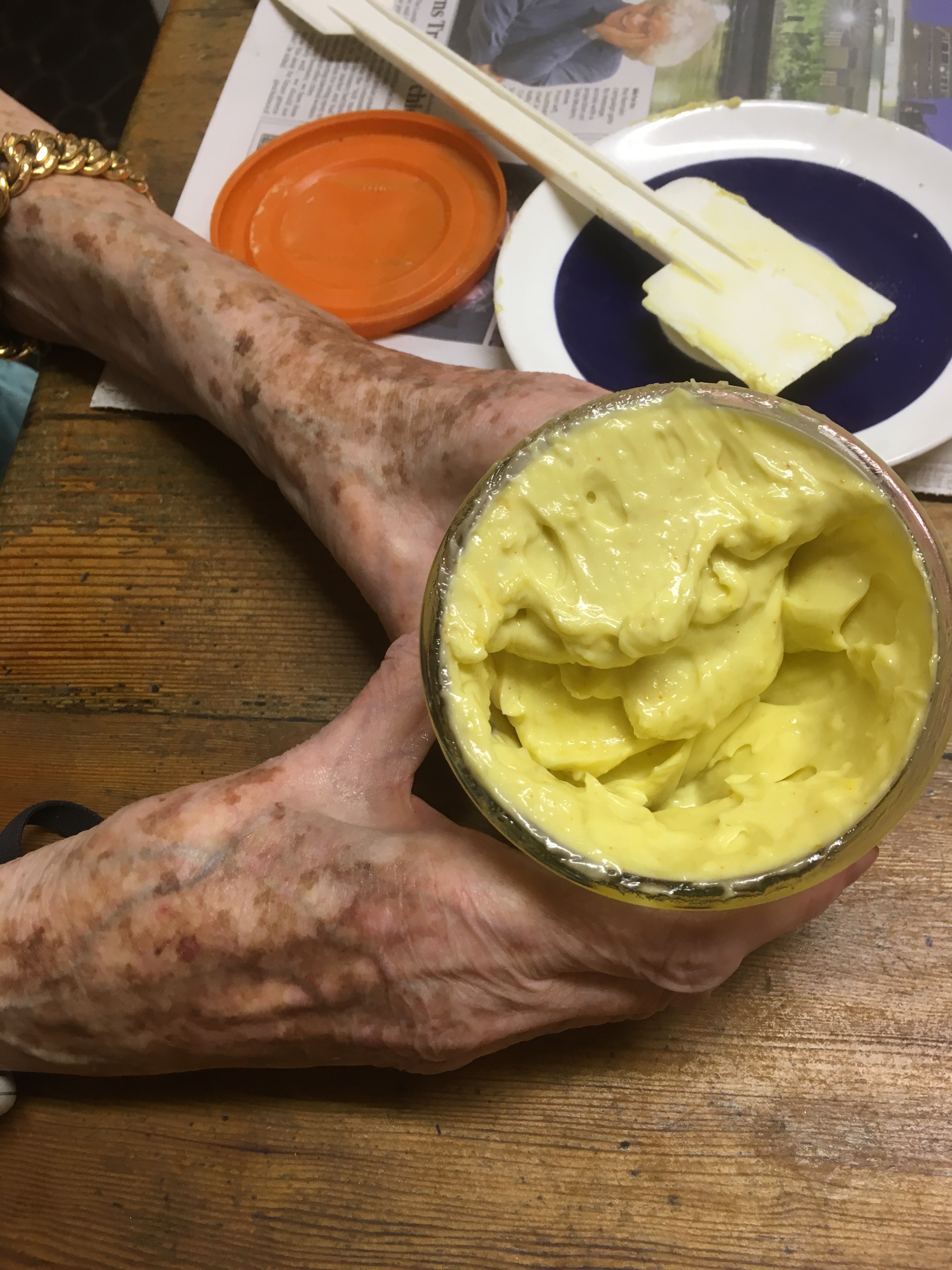
Elderly woman's hands around a jar of thick, yellow, unctuous home made mayonnaise
I arrive the day before the EU referendum vote. London is hot and sticky, under a heavy grey cloud. Later, there is lightning and biblical rains.

My 93-year-old mother and I agree not to talk about Brexit. It would be too painful and divisive. She believes the Daily Mail. I think it is the politics of hate.

So, I watch her making mayonnaise, Zimmer-framed yet resolute. I admire her spirit.

My mother Fay has been making home-made mayonnaise since the 1950s.

She would not dream of having shop-bought mayonnaise in her home. Ever.

Now she is old, my mother uses a food processor but says nothing equals mayonnaise made by hand  using a fork as a whisk.

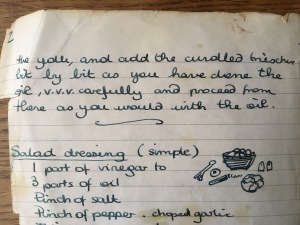
My sister Gee (see  pics of her 1974 mayonnaise recipe below) eschews a food processor because it makes the mayonnaise too dense, and uses an electric mixer with the balloon whisk attachment instead. She also (I love this refinement!) whisks in the olive oil by hand, with a fork, at the very end of the process.

Gee adds a teaspoon of warm water to lighten the mixture when she is feeling French.

Fay’s home-made mayonnaise 

The risk factor is curdling: when the oil and egg separate. So, make sure the eggs are at room temperature. Emulsify the egg yolks with mustard, then add the oil very, very, very, slowly, drop-by-drop.

Then – once the terrifying risk of curdling has passed – pour oil in a thin stream, whisking all the time. You can speed up the streaming of the oil. Add lemon juice or a dribbles of vinegar to thin.

If it curdles, do not despair but start again with one egg yolk and add the curdled mixture, again – s l o o o o w l y.

My mum uses 1/2 pint of oil, which equals 10 fluid ounces, of which 7 or 8 fluid ounces is sunflower oil, and the remaining 3 or 2 fluid ounces is olive oil. My sister Gee (who makes mayonnaise without such exact measuring) says in other words: use mostly sunflower oil.

I use organic oil because organic certification guarantees it has been cold-pressed by mechanical (not chemical) to ensure = maximum nutrients and top taste. 

Ingredients

2 egg yolks
Two egg yolks is the minimum whether for 1/2 pint or 1 pint of oil. Keep the egg whites in the fridge (or freeze them) for future meringues or cocktails. 

1/2 pint of oil of which most is sunflower oil, with top-up of olive oil

1 heaped teaspoon dry mustard powder (my mother thinks ready-made mustard is sacrilegious but Gee, free-thinker that she is, says this makes the mayonnaise bitter and swears instead by Dijon mustard.).

2-3 or more garlic cloves cut-up

Using a food processor, electric balloon whisk or a fork, start by combining the egg yolks and mustard. Add garlic. Add oil SLOW-BY-SLOW until the mixture emulsifies. Then, once there is no risk of egg and oil separating, gently add the oil in a thin stream – whisking all the time!

Juice of half – one lemon, as little salt as possible to taste and a light shake of cayenne pepper. (In another departure from the status-quo, Gee adds seasoning – salt (1/2 teaspoon to 1/2 pint of oil) and paprika which is less spicy than cayenne – at the very start because otherwise, she says,  the salt does not mix in properly).

I cannot end this post without adding, for the record:

I am European, continental, global. We are one family.

If money and weapons can move freely around the globe, why not people? Especially people displaced by war.

I am not saying the EU is perfect (obvs). It needs reform. But, hey, the UK has its own unelected bureaucrats and neo-liberal project. Surely any reform starts (like charity) at home?

The Brexit campaign was led by vile hate-filled propaganda which has legitimised hate, unleashing a rise in racist crimes

Many who voted to leave are angry, and this anger (zero hours contracts, underfunded public services and unaffordable housing) is correct. But to conclude the problem is caused by the EU and immigration is a severe misdiagnosis resulting in the wrong medicine, which will only make conditions deteriorate.

Leave is the operative word. I feel the grown-ups have taken leave of their senses. I feel left in the hands of an irresponsible parent consumed by their own crazy agenda.

I am returning to the comfort of mayonnaise. 
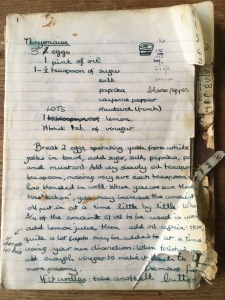
Hand written mayonnaise recipe

Hand written mayonnaise recipe

Sore throat? Use the whole lemon!  

IMG_0349


I had a sore throat. My mother said:

“Drink hot lemon. Use the whole lemon.”

Yeah, yeah, I know about lemons. Indeed, lemon water  – a squeeze o’ lemon  in water plus the peel – is my daily, refreshing, health-giving drink.

But, wait….

The whole lemon? A revelation.

“In the days before antibiotics, that is what we used,” says my mother, now aged 93. “My grandfather used to gargle every morning with warm salted water to prevent infections.”

Lemons deliver an impressive 187% of a person’s daily value of Vitamin C, as well as a host of other disease-fighting nutrients, according to Dr Mercola.

So I squeeze the juice of a whole lemon in a mug of boiling hot water and add a dessertspoon of honey.

Don’t stint on the honey. It makes it delightful to drink – and honey adds health-giving properties.

I cannot mention honey without comment: How outrageous that pesticides used by chemical agriculture are killing our beautiful bees.

My throat felt much better. So I made myself another hot drink with the juice of a whole lemon. And my sore throat was cured.

I also reach for the raw ginger, and raw garlic, when under-the-weather. What are your favourite natural remedies?

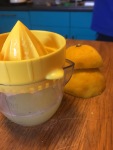
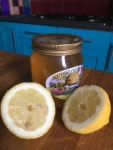
Lemon to be squeezed and South Gloucestershire jar of honey

Junior doctors strike and Cullen skink

My glam mum aged 93

My mum, aged 93, (her pic, left) made me the traditional Scottish dish, Cullen skink.

She bought the smoked haddock at Whole Foods Market.

“Only use undyed haddock” she commands.

A bowl of home made cullen skink

Recipe for Cullen skink

Here is the recipe my mother uses: 

Put undyed smoked haddock (500g) in cold water (300 mls) water, bring to boil and simmer for 8-10 mins until fish is cooked. Remove fish with slotted spoon, and set aside. 

Peel and chop 2 large onions and 2 large potatoes (instead of potatoes use Jerusalem artichokes). Add pepper for seasoning (no salt as the smoked fish is salty). Cook the vegetables in the haddock’s cooking water for glorious fish taste; if there is not enough haddock water to cover the potatoes, add some more water to cover them. Cook until potatoes are soft and tender – about 15/20 mins. 

While veg are cooking, skin the fish, flake into chunks removing any bones, and set aside.

Take the cooked vegetables off heat, roughly mash contents, add (450 ml) whole milk and (2g) unsalted butter. Bring to boil, turn down to simmer and gently add fish.

Gently, reheat. Serve with chopped chives and if desired, creme fraiche. 

(Or drink it cold from a jar as I did happily on my return train to Bristol).

The next day, I received a call that my Cullen skink-maker. My mum had fallen and hurt her head. Luckily she had been able to press her Community Alarm and, within five minutes of being alerted, an ambulance team had arrived and had taken her to a large London teaching hospital.

And this the day of the Junior Doctors’ strike! It had not compromised her care. We could carry on supporting the strike with impunity: it is against a new contract that will be, “Bad for patients, bad for doctors and bad for the NHS,” according to the British Medical Association, reports the New Economic Foundation.

After a scan, my mother was kept in for monitoring, and a battery of tests to ascertain why she keeps losing her balance.

God bless the National Health Service (NHS).

My late dad was one of its first GPs – see Dr John Winkler’s obituary in the Guardian.

The NHS is free health care for all – the embodiment of the world I want to live in.

God bless the NHS.

Animal welfare: fox in charge of henhouse

Is there anyone – apart from a fox – who thinks this is a good idea?

From 27 April 2016, the poultry industry itself will be in charge of writing and upholding its own welfare codes, says the Metro. 

And that is just the start.

“Conservative ministers are planning to repeal an array of official guidance on animal welfare standards,” says the Guardian, whose Freedom of Information request helped reveal the government’s plan to deregulate animal welfare. 

Deregulation is a terrible backward step for a better world.

Campaigners for animal welfare and safe food systems have fought long and hard for regulations, and the battle is by no means over.

Regulations need to be strengthened further – not weakened, in this blatant move to please Big Farma. (Or perhaps it is the current government showing how it can get rid of regulations quite easily without having to leave Europe).

Conservative types (whether anti-Europe or pro-Europe) like to portray legislation as tedious red tape that stifles the entrepreneurial spirit of business.

Poppycock! 

We need legislation and regulations because (sadly) humans with power and vested interests cannot be trusted.

The Metro poll asks its readers to vote yes or no to: 

“Should the meat industry regulate itself?”

What do you think?

PS So far, 97% voted “No, the system could be abused”. 

PPS I stole my title from the New Economic Foundation blog on poultry deregulation by Stephen Devlin. Read his excellent co-written piece on so-called “better regulation”, in whose name “a large and unaccountable bureaucracy has been created to…mak(e) it more difficult for government departments to pass laws which impose costs on businesses.”

PPPS  Sign the Change.org petition to stop the repeal of animal welfare codes.

Stop press

Campaigning works! It looks as if this controversial deregulation will not go ahead. According to the BBC:

“The government has abandoned a controversial plan to repeal animal welfare codes.
The plan would have put standards into the hands of the livestock industry.”

However, the “price of freedom is eternal vigilance.”

So, remain vigilant.


Simple oat cake recipe

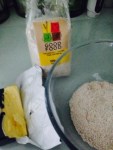
Good Food oatmeal flour packet and butter with bowl of oatmeal
When I am out-and-about, and get hungry, I need healthy food, such as slow-release carbs for sustaining energy. Oats are the nutritional answer. My oatcake recipe comes from Jane Mannings of World Jungle.

Award-winning social enterprise, World Jungle brings people together creating healthier communities.

African drummers and drums

Based in Gloucestershire, World Jungle also holds regular dance classes, and organises festivals and events including African drumming and dance (see pic) . Dance is a great way to bring people together.

I like this recipe because it only uses two ingredients and there is no fancy pastry-cutting involved.

Simple oatcake recipe

200g fine oatmeal – Jane used Good Food organic oatmeal.
50g butter.

Heat the oven to hot – Gas 7 \ 425° \ 220°C

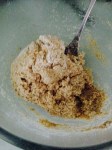
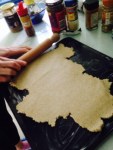
Squish the oatmeal and butter together with a fork adding a little water to bind into a dough. Roll pastry dough (on a floured board ) as thin as you can without it breaking. Lift the flattened shape, draped over rolling pin, place on a greased baking tray, and bake for 15 minutes. Eat warm, or store in an airtight container for when you are out-and-about.

I might experiment by replacing oatmeal with buckwheat flour, butter with olive oil, and adding salt, or caraway seeds.

What ingredients would you use in your oatcakes?

Knob of butter atop oatmeal in mixing bowl

Fork assembling squidge of oatmeal dough

img_6096-1

Simple recipe for energy bars – two ingredients 

 I love healthy energy bars.

I must spend a fortune on them. Thinks: must make my own.

Yes! And here is my simple recipe:

1 cup of ground nuts

(I whizzed pecan pieces in my £20 hand blender nut-chopper)

1 cup of dates, soaked in water for a couple of hours, drained with stones taken out.

(Measurements – basically equal amounts of nuts and dates).

Thus, blend (my trusty hand-blender again) the equal amounts of chopped/ground nuts with soaked-stoned dates.

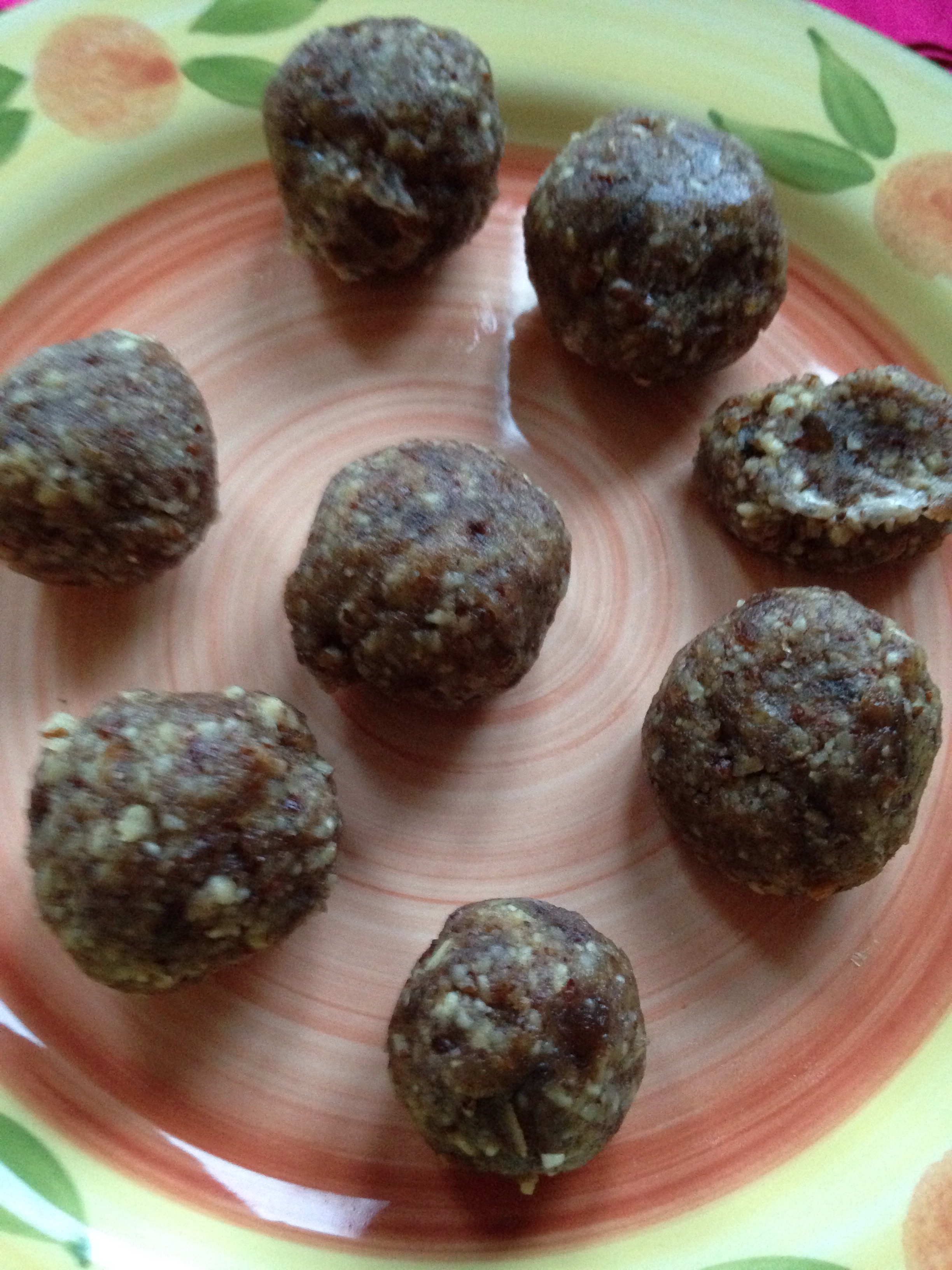
The mix goes squidgy – good. Separate with your fingers and roll into balls.

No cooking involved!

Voila!

You could add other ingredients such as cacao and coconut and roll them in seeds. I will experiment and report here.

But, for now, two ingredients does it for me.

What do you think?

DIY liqueurs

Right now, I am all about the potions.

Home made potions

It all started when a friend gave me sloe berries from her freezer – and the thorn from the sloe berry bush to prick them to release their juices.

As I added the pricked and bleeding sloe berries to the gin, I thought:

“The possibilities are endless.”

I drink rarely but when I do I like cocktails, and liqueurs. But I don’t like: the sicklyness of too much sugar, and additives instead of real ingredients.

So this Christmas, I concocted the following:

Apricots soaked in brandy – I used Hunza apricots which have a small stone and fine pedigree (one of the founders of the organic movement, Sir Robert McCarrison, learnt about nutrition in the 1920s from the Hunza tribe in Pakistan, so impressed was he by their health and vitality compared to sickly English people. The Hunzas are known for their longevity, thanks to their wholesome diet). Make sure the apricots are completely covered with the brandy. The apricots soak up the alcohol and swell, so leave room in your glass container for this effect.

Home-made Cointreau – organic orange peel from 2 – 3 oranges soaked in vodka

Home made whiskey zapper
Whiskey zapper – 200 mls whiskey + 300 mls expresso coffee + 400 mls coconut milk + agave nectar.

You don’t need to use expensive spirits – the natural flavours will enhance the potion.

Drink responsibly, and drink water too.

Happy shiny new 2016 year!

The kitchen at the heart of hell on earth

The One Spirit Ashram Kitchen is feeding refugees in Calais – beautiful and sad.

Watch this beautiful five minute video.

You can donate here

http://www.sweetpeace.me/#!a-shared-meal/t5yz3

Amelia Burr's avatarThe Human Times

At the heart of hell on earth there is a place where the cold and beleaguered go to have their weary bodies and worn-out souls nourished.

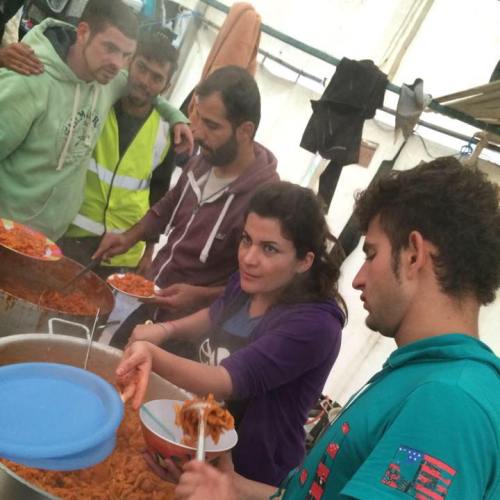
Twice a day a queue of hundreds snakes around the One Spirit Ashram Kitchen in the Calais Jungle. In the driving rain they wait in single file for the team of volunteers inside to open up and start serving.

hero serving

You can donate here http://www.sweetpeace.me/#!a-shared-meal/t5yz3

Despite the desperation in their eyes, the patient masses give a polite smile to those managing the queue at the door with restless glances to check there is still enough left to go around.

But there is never enough. Even this mammoth effort is only feeding a fraction of the camp’s residents.

The sound of the rice pan being scraped sounds like an alarm in the tent as a man holds an empty plate and says: “but I waited for…

View original post 443 more words

Tahini sauce 

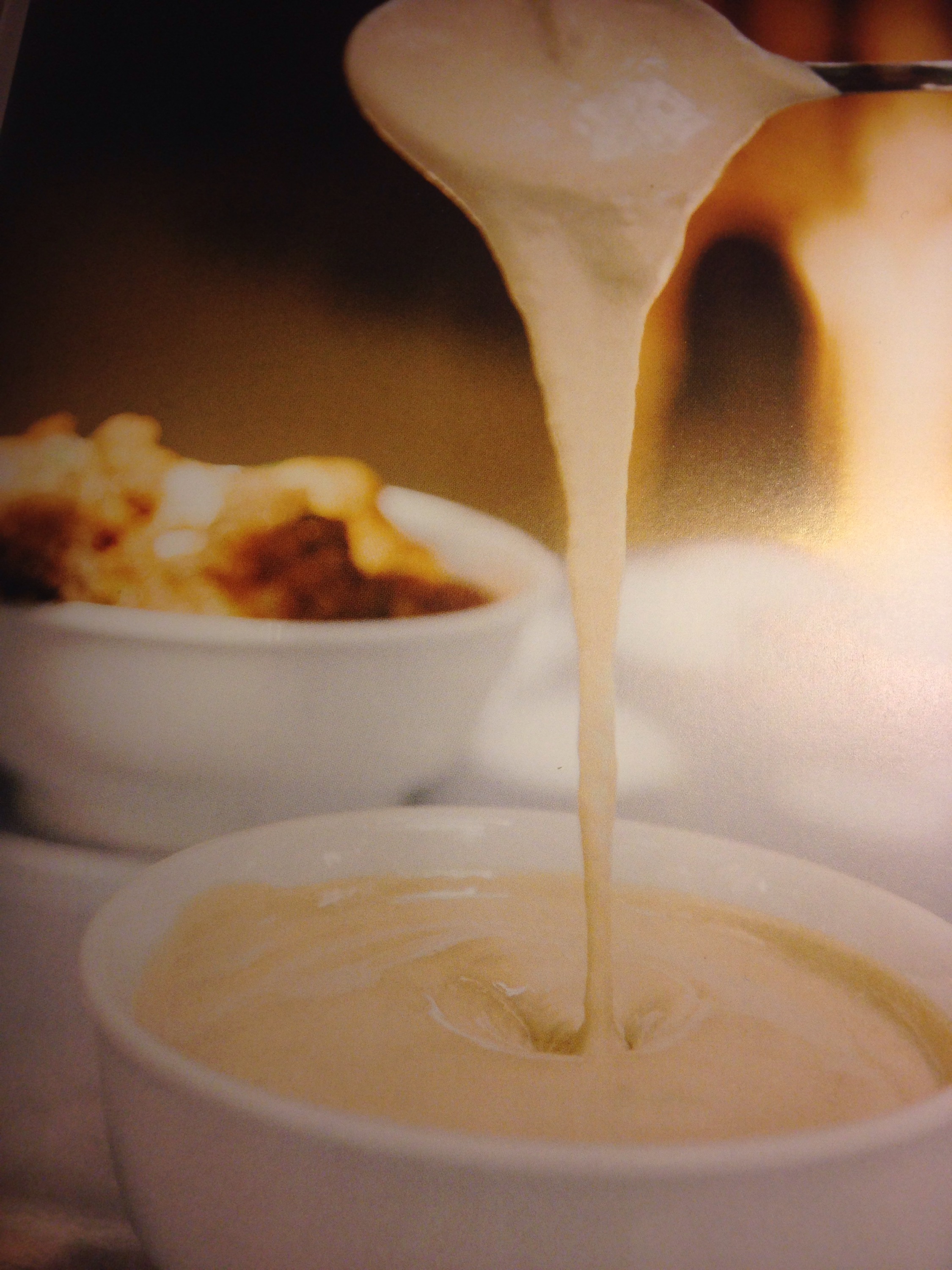
Sauce drips in a stream from a spoon

This image and recipe comes from a new book, Lebanese Home Cooking, by Kamal Mouzawak, the founder of Lebanon’s first farmers’ market.

Lebanese Home Cooking, from Quarto Eats, has all my favourite food words in its title. In the 1980s a friend took me to a Lebanese restaurant in Soho and I was knocked out. Every dish appealed in new, refreshing ways. Tahini, beans, yogurt, lemons, olive oil, garlic. These are now my favourite ingredients. Versatile and health-giving, they are always in the kitchen.

(My posts on making home-made yogurt and hummus both of which I eat almost daily).


Writing about the Lebanese market founded in 2004, The New York Times says that Souk El Tayeb (“market of good”): “reconciles Lebanon’s warring factions through their common love of their food.”

Kamal Mouzawak writes: Food is a window – “the best way to look into people’s lives.”

Make food, not war.

Kamal Mouzawak is full of practical wisdom and inspiring encouragement. The recipes are simple. He says souk food is easy and fast – how I like to cook.

Tahini sauce – Tarator 

Garlic 1 clove or more

240g tahini (sesame paste)

Juice of 3 lemons

1 tablespoon of olive oil.

Crush garlic with little salt, add to tahini in the bowl, and add the lemon juice. Tahini will thicken so continue stirring with a fork and add more lemon juice if needed. The mixture will be smooth. Season with salt to taste, blend in olive oil and serve. Good over dark leafy vegetables.

Fava bean stew – foul medamass

I love the addition of quartered lemons to this fava bean stew.

120g small brown beans

1 onion peeled halved

Garlic

Handful split yellow lentils

1 lemon plus juice of 2 lemons

80 ml olive oil

Ground cumin and salt.

Soak beans overnight. Drain. Add onion halves, garlic and lentils. Add water to cover by 2 fingers. Cook beans for several hours to be mushy. Add quartered lemons 20 minutes before the end. Take off heat and add lemon juice, olive oil, cumin and salt to taste.

Souk food – soul food.

PS On the subject of tahini sauce, I came across this amazing recipe by UK chef and co-owner of Wahaca, Thomasina: Tagliatelle with blue cheese, tahini and caramelised onions. Straining the yogurt and adding tahini makes this into a luxurious and creamy dish, yet it is light too. Comfort food – recommend!

The original recipe (serves 4-6). Here follows my mini-version:

Cook 900g sliced onions slowly (25 mins) in 4 teaspoons olive oil + 30g butter. Cook 450g pasta (I use buckwheat noodles), adding 300g frozen peas in the last three minutes of cooking. Drain pasta and peas but keep 250ml of the cooking water. Strain 450g of Greek natural yogurt. (I added the residual ‘yogurt water’ to the pasta cooking water because I hate waste.).

Put pasta in a bowl. Beat reserved pasta water into strained yogurt, and season. Then add to pasta, so it absorbs sauce for a few minutes. Add more of the cooking water gradually until you have a “silky pile of pasta”. Crumble 100g blue cheese over your luxurious pasta pile, and top with the caramelised onions.

Exterior of Byblos with yellow awning with lettering, Mezza of Lebanon

And, finally, a picture of Rafic’s (see comments) Lebanese restaurant in London. Mezza of Lebanon (1968 – 2004) was at 262 Kensington High Street, near Holland Park.

Easy fruit smoothie 

wine glass of creamy looking smoothie Ta da.

Start the day with a health-boosting refreshing fresh fruit drink.

You need an electric hand-blender to do the whizzing. I use the cheapest, least fancy (about £20) – my most valuable and versatile piece of kitchen technology.

Banana is the base – add fruit such as apple/pear/orange/berries.
Apple, orange and pear in the curve of banana's

Use the whole apple/pear: whizz it up, pips, peel and all. Don’t even peel the apple/pear (especially if organic).

Yes, take stones out of mango/peach/plum/apricot. (Blender blade can’t cope).
Yes, peel the orange.

But no need to de-pith orange. Whizz it up with pith, and pips.

Fruit in cut up piecesI learned this time-saving tip at a raw food workshop by Kira G Goldy. Kira is also a healer.

She encouraged me to write creatively: “You have all these voices inside that want to be heard.”

As a journalist, a challenge. But her words rung true. I focused on writing and two things have developed from my new intention.

I give courses to facilitate creative writing (and at the same time teach myself as it turns out).

And I have written a verbatim play based on interviews of people facing eviction in the hyper-regeneration of Brixton, and Lambeth council estates.

Verbatim is like journalism because it is entirely made of people’s quotes, like a documentary. The subject – how profit-driven thinking wrecks human lives – is a subject close to my campaigning heart.

The play is a collaboration with Changing Face Collective and director Lucy Curtis.

Where Will We Live? premieres at Southwark Playhouse on 25 – 28 November 2015.

I will need to keep my strength up. Time to make an easy smoothie!

Smoothie recipe for 1 – 2

Use organic fruit if possible. Why organic?

1 apple (cut-up with pips and peel ) 
1 orange (cut-up with pith and pips) 
1 banana (peeled and sliced)
Half a glass of water/milk (dairy/plant) to thin
A dollop of peanut butter and/or coconut oil and/or yogurt for protein and good fats. Or a handful of cashew nuts soaked overnight in water 
Optional: ground cinnamon/raw ginger
Blend with a hand-blender in a jug, pour and enjoy.

Ta da!