Tag Archives: Yogurt

Tahini sauce 

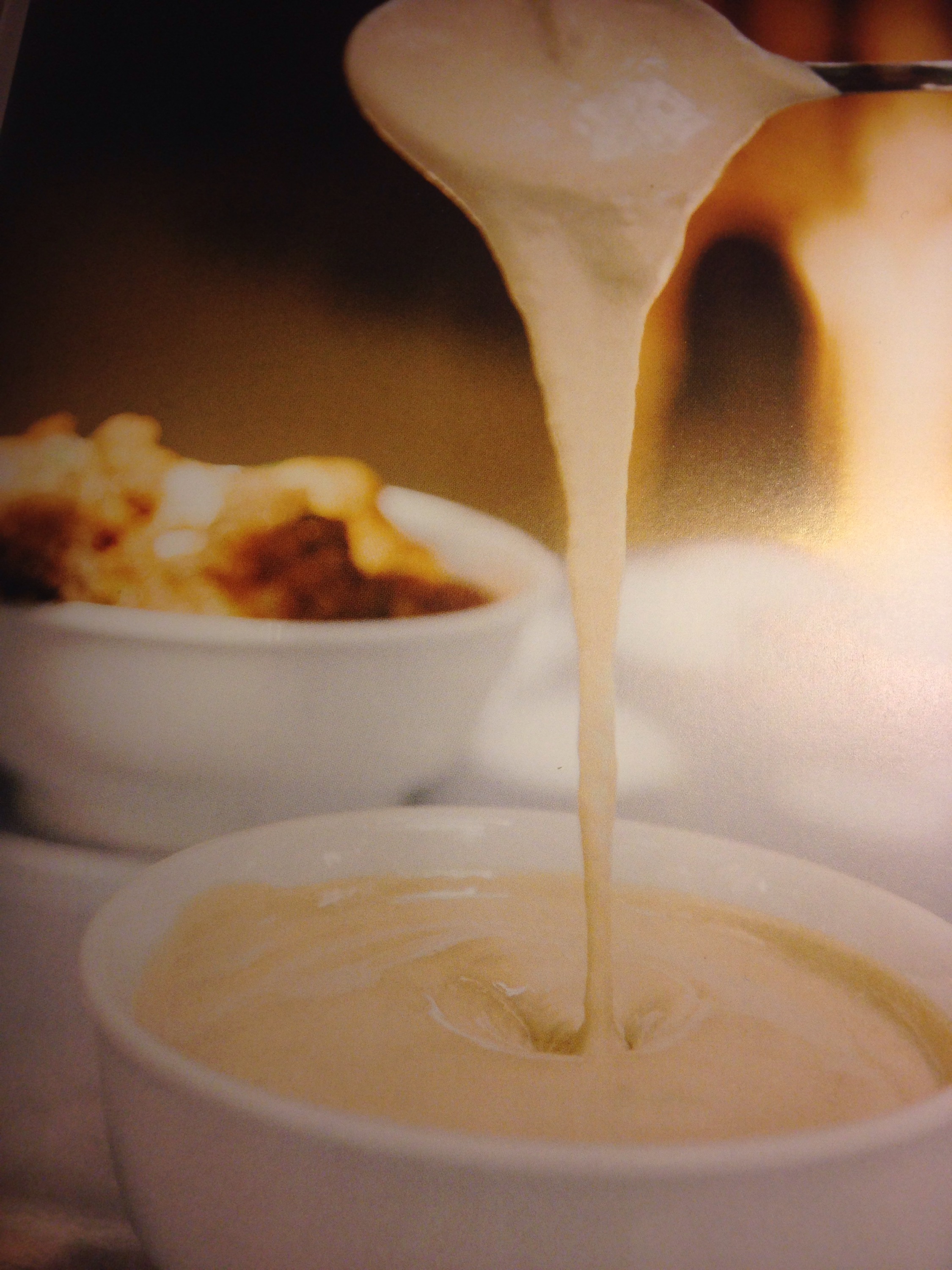
Sauce drips in a stream from a spoon

This image and recipe comes from a new book, Lebanese Home Cooking, by Kamal Mouzawak, the founder of Lebanon’s first farmers’ market.

Lebanese Home Cooking, from Quarto Eats, has all my favourite food words in its title. In the 1980s a friend took me to a Lebanese restaurant in Soho and I was knocked out. Every dish appealed in new, refreshing ways. Tahini, beans, yogurt, lemons, olive oil, garlic. These are now my favourite ingredients. Versatile and health-giving, they are always in the kitchen.

(My posts on making home-made yogurt and hummus both of which I eat almost daily).


Writing about the Lebanese market founded in 2004, The New York Times says that Souk El Tayeb (“market of good”): “reconciles Lebanon’s warring factions through their common love of their food.”

Kamal Mouzawak writes: Food is a window – “the best way to look into people’s lives.”

Make food, not war.

Kamal Mouzawak is full of practical wisdom and inspiring encouragement. The recipes are simple. He says souk food is easy and fast – how I like to cook.

Tahini sauce – Tarator 

Garlic 1 clove or more

240g tahini (sesame paste)

Juice of 3 lemons

1 tablespoon of olive oil.

Crush garlic with little salt, add to tahini in the bowl, and add the lemon juice. Tahini will thicken so continue stirring with a fork and add more lemon juice if needed. The mixture will be smooth. Season with salt to taste, blend in olive oil and serve. Good over dark leafy vegetables.

Fava bean stew – foul medamass

I love the addition of quartered lemons to this fava bean stew.

120g small brown beans

1 onion peeled halved

Garlic

Handful split yellow lentils

1 lemon plus juice of 2 lemons

80 ml olive oil

Ground cumin and salt.

Soak beans overnight. Drain. Add onion halves, garlic and lentils. Add water to cover by 2 fingers. Cook beans for several hours to be mushy. Add quartered lemons 20 minutes before the end. Take off heat and add lemon juice, olive oil, cumin and salt to taste.

Souk food – soul food.

PS On the subject of tahini sauce, I came across this amazing recipe by UK chef and co-owner of Wahaca, Thomasina: Tagliatelle with blue cheese, tahini and caramelised onions. Straining the yogurt and adding tahini makes this into a luxurious and creamy dish, yet it is light too. Comfort food – recommend!

The original recipe (serves 4-6). Here follows my mini-version:

Cook 900g sliced onions slowly (25 mins) in 4 teaspoons olive oil + 30g butter. Cook 450g pasta (I use buckwheat noodles), adding 300g frozen peas in the last three minutes of cooking. Drain pasta and peas but keep 250ml of the cooking water. Strain 450g of Greek natural yogurt. (I added the residual ‘yogurt water’ to the pasta cooking water because I hate waste.).

Put pasta in a bowl. Beat reserved pasta water into strained yogurt, and season. Then add to pasta, so it absorbs sauce for a few minutes. Add more of the cooking water gradually until you have a “silky pile of pasta”. Crumble 100g blue cheese over your luxurious pasta pile, and top with the caramelised onions.

Exterior of Byblos with yellow awning with lettering, Mezza of Lebanon

And, finally, a picture of Rafic’s (see comments) Lebanese restaurant in London. Mezza of Lebanon (1968 – 2004) was at 262 Kensington High Street, near Holland Park.

Homemade yogurt

homemade-yogurt-310109

I made this yogurt. If I can do it, so can you (I am not known for my technical expertise). It tastes wonderfully-different from anything I can buy in a plastic pot. And ’tis joy-supreme not to be adding to the plastic-pot recycling mountain in my hallway.

I stopped making yogurt after being diagnosed as lactose-intolerant last autumn, but I missed all those zillions of friendly bacteria in my gut. I know I could have made it with soya milk, which I do love (in tea and on oats) but somehow could not bring myself to embrace in yogurt.

So I figured I would experiment with my lactose-intolerant boundaries. For surely my fellow lactose-intolerant eastern-european/middle-eastern ancestors ate yogurt? As a fermented food, yogurt is pre-digested so must be easier to tolerate. Is there a nutritionist in the house? What do you think?

Anyway, on a gut level (so to speak) all I know is my intestines smile when yogurt comes its way, saying hi in a welcoming way. Unlike with milk, which feels too viscous and hard work for my sensitive insides.

Now let me introduce you to my friend, the yogurt-maker. This fairly low-tech device that costs about £20 to buy and pennies to run has enabled me to become yogurt-literate.

yogurt-with-yogurt-maker

You can’t see from my pic but the plastic yogurt-maker has a plug. That’s how it works: switch it on and the yogurt-maker keeps the warmed-milk-that-will-be-yogurt at an even temperature.

Hugh Fearnly-Whittingstall says a wide-mouthed warmed thermos flask does the trick and ditto, a towel to wrap it up in and a radiator – but it’s the nifty yogurt-maker for me.

I say low-tech because it does not switch itself off after the regulatory eight-hours. So it does take planning. I have to ask myself before starting: will I be here in eight-hours to turn off the device?

Here are the ingredients you need to make longevity-boosting yogurt:

1.5 pints (850 mls) of organic milk

2 teaspoons of of natural, bio-live, organic yogurt (or from your last yogurt batch)

You have to boil the milk until it bubbles to get rid of bad bacteria and then let it cool down to blood-temperature i.e. I stick a clean finger into the cooled-down milk  and it feels pleasant and warm – not scalding-hot or, at the other extreme, brrrrr on the chilly side.

I found this operation the most taxing because after the novelty of testing too-hot milk wore off, I then forgot all about the cooling milk and by the time I remembered, it was stone-cold again. So my top tip is: try to keep conscious of time as the milk cools.

Once the boiled milk has cooled to blood-temperature, I put it in the yogurt-maker (that I’ve switched on five minutes beforehand to warm up). Then I stir in two teaspoons of yogurt, which always seems too measly to do the job but that’s all it takes to start the fermentation process. Amazing.

I find yogurt very acceptable first thing in the morning because it is non-demanding and soothing. And I add freshly-ground health-giving spices, such as cinammon, cardammon and cloves for extra zing.

Now for my yogurt-award acceptance speech. Thank you, Martin Smith, ex-propriétaire of  Danescombe Valley Hotel, who demystified yogurt-making; my Indian food guru, Mallika, who has inspired me to use freshly-ground spices from scratch; Maninas, for adding cinammon bark and whole cloves to my repertoire. And finally thanks to Beccy and Hannah at the Spark for explaining how to use the grinder-attachment on my blender…

Who would you thank in your oscar-award speech?

Reblog this post [with Zemanta]