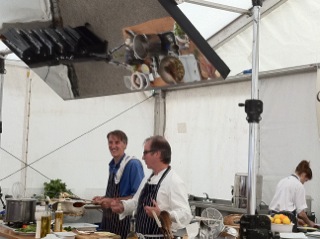
The Soil Association Organic Food Festival (see Demo kitchen above) now in its tenth year, lifts my spirits.
“79% of food we buy comes from just four shops,” says Real Food Festival’s Philip Lowery at the launch of Europe’s biggest organic food market.
The Organic Food Festival showcases real food producers who cannot be shoehorned into the supermarket-system, with its gargantuan requirement for uniformity.
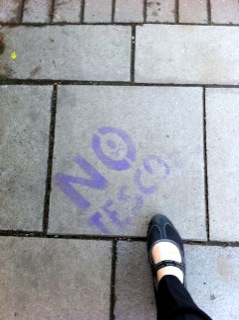
After a week objecting to a multi-billion-backed Tesco (39th store in Bristol) in Stokes Croft, this is just what I need to revive my flagging spirits.
Somerset Organic Link displays freshly-harvested vegetables grown in carbon-rich organic soil without polluting the land with nitrate fertiliser.
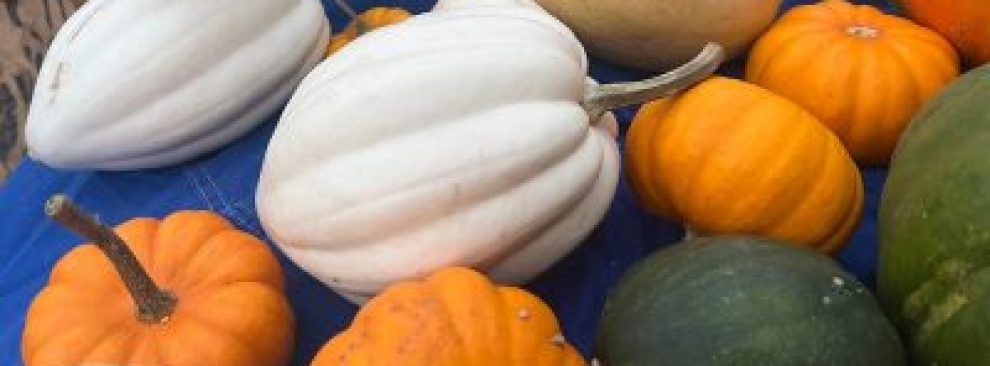
And a variety of pumpkins you won’t find in a supermarket.
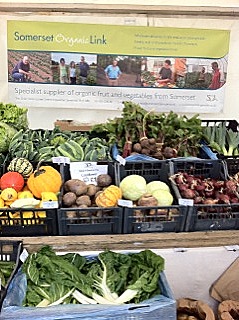
Better Food Company (a 20 minutes walk from the proposed Tesco) has a field outside Bristol supplying the shop with much of its seasonal local organic produce.
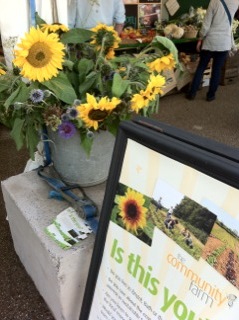
Better Food’s Community Farm is open to all, including helping in return for a share of the harvest.
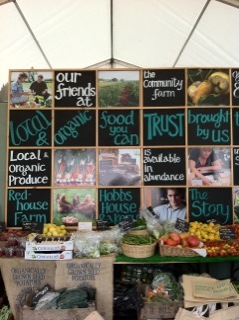
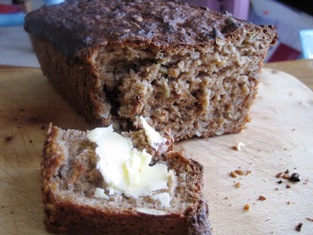
I buy a spelt loaf from the Bertinet Bakery based in Bath.
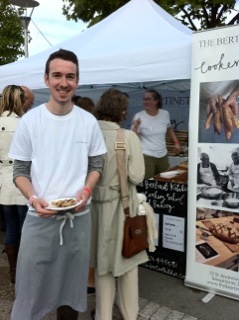
Bertinet Bakery were exhilarated having just been awarded a Soil Association Organic Food award for Baked Goods by Hugh Fearnley-Whittingstall at the awards ceremony held earlier that day in At-bristol.
The theme of this year’s Organic Fortnight is Choose Organic Everyday.
According to the latest Soil Association market report on the recession-hit 2009, 33% of organic purchases are now made by shoppers including manual and casual workers, students, pensioners and people on benefits.
In other words, recession or not, people care about healthy food, where it comes from and how it was grown.
Some organic businesses in common with many non-organic ones were hurt by the recession – overall a near 13% decline in 2009 organic sales.
But others resisted the downward trend: organic milk sales were up 1%, organic baby food up 21%. By 2010 UK farmland that is organic rises above 5% for the first time.
Junk food high in cheap fat, sugar and additives, or chickens raised in giant sheds never seeing natural daylight – these are the product of an industrialised and centralised food system that profits shareholders – not the consumer.
Tesco and the other three supermarkets control over three-quarters of our food. They seek market-dominance and make vast profits – Tesco’s profits increased 12% in half-year profits to £1.6bn. [October 2010 figures added after blog was posted].
Supermarkets promise cheapness but it’s an illusion.
The costs are externalised – in other words, they are picked up elsewhere: rivers polluted by farm chemicals are cleaned by taxpayers’ money; obesity from eating junk food is paid for by the NHS. Farmers are squeezed; animals farmed inhumanely.
A shopping survey in Stokes Croft – the Bristol area currently fighting off a Tesco – shows food is cheaper in the local shops than Tesco Express.
Devon-based Riverford farm’s monthly price comparisons show the organic fruit and veg in its delivery box is on average 20% cheaper than supermarkets.
Can you imagine a world where the only food you can buy comes from industrialised food systems?
(Well, that is if oil supplies remain steady because if not we will be stuffed if we are relying on only four suppliers ferrying in food from afar).
Another – local organic – world is possible.
PS Thanks to Juliet Wilson for encouraging this post.
PPS Deadline for objecting to Tesco in Stokes Croft: 14 September.

















 Real Food Lover